Bathrooms Built to Last Decades
Bathroom Remodeling in Lawrenceville and all of North Atlanta suburbs for outdated bathrooms in homes built during the 1980s and 1990s
Professional Home Improvement Inc handles full residential bathroom renovations in Lawrenceville and the northern Atlanta suburbs, from complete bathroom teardowns to accessibility modifications that keep homeowners safe and independent. If your bathroom still has the original tile, fixtures, and layout from when your home was built, you're looking at surfaces and systems that have been absorbing Georgia's summer humidity for decades. Dennis personally assesses each project before any estimate is written, which means hidden damage behind walls or under flooring gets identified before the scope is finalized, not after demolition starts.
Gwinnett County's housing stock from the late twentieth century is hitting the renovation threshold all at once, and bathrooms take the hardest beating from moisture. The work involves pulling permits when walls move or when another bath gets added, addressing water damage discovered during demolition, and managing moisture barriers during tile and shower installation so the new surfaces don't fail in five years.
Schedule a free on-site estimate to review your existing bath conditions and identify what's behind the walls.
Our Services
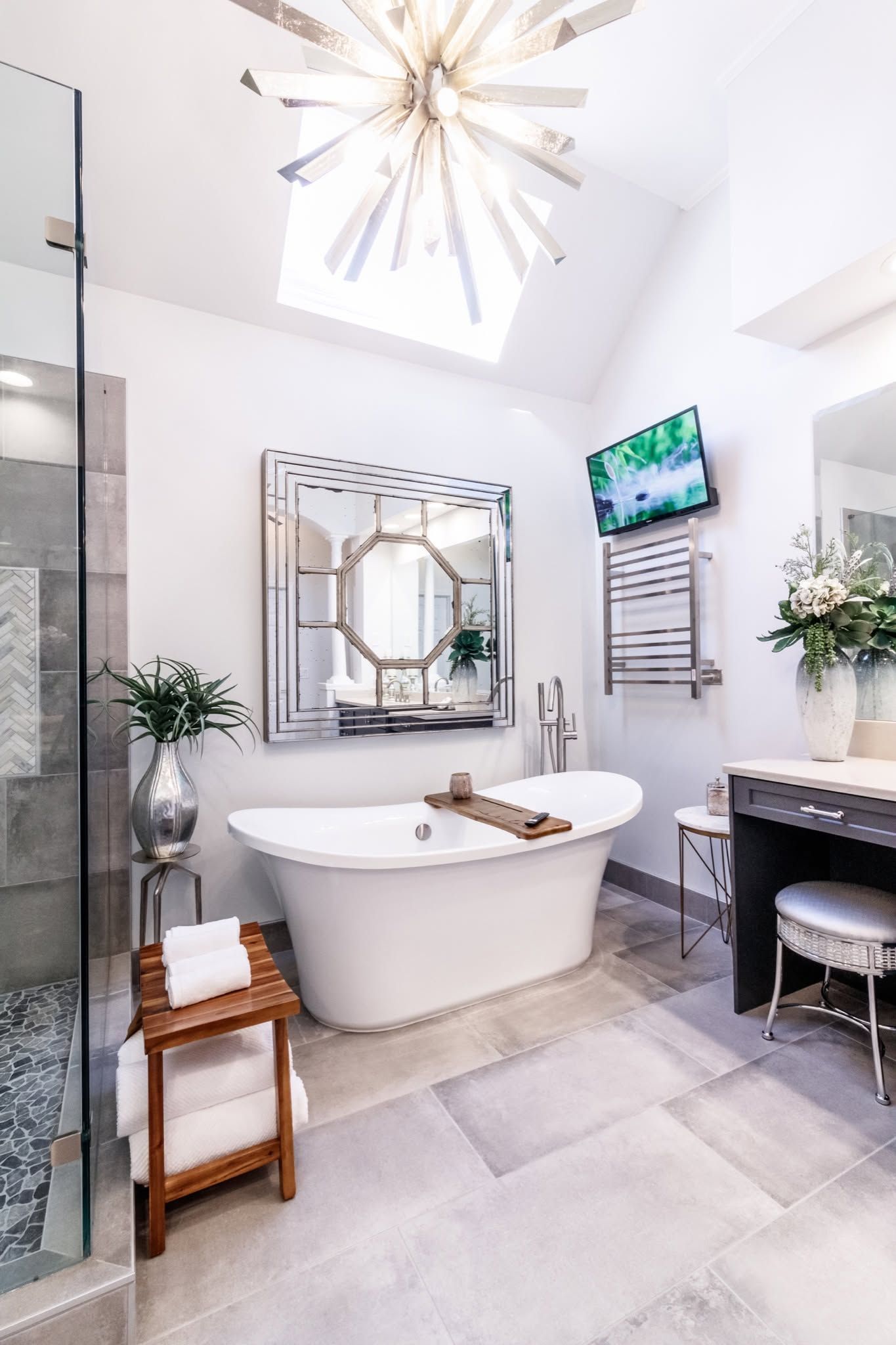
What Proper Bathroom Renovation Requires
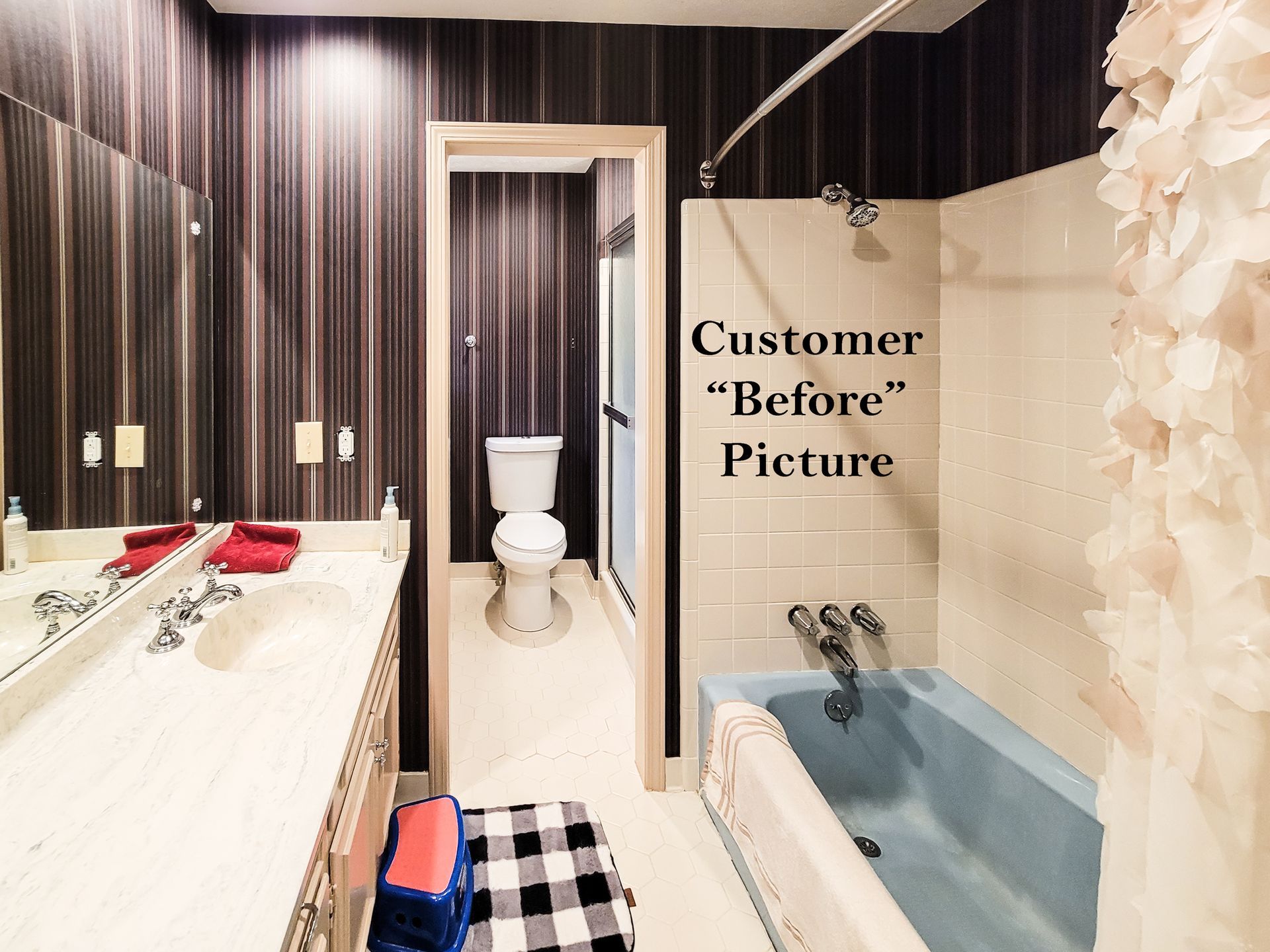
The contractor walks the existing bath before writing the estimate because what you see on the surface rarely tells the full story. Older homes in this area often have subfloor damage, outdated plumbing that needs replacement during the remodel, or framing that wasn't built to handle the weight of modern tile. Moisture management during installation is critical in Georgia's climate—tile backer, waterproofing membranes, and proper slope in the shower pan all have to be done right the first time or you'll be tearing it out again in a few years.
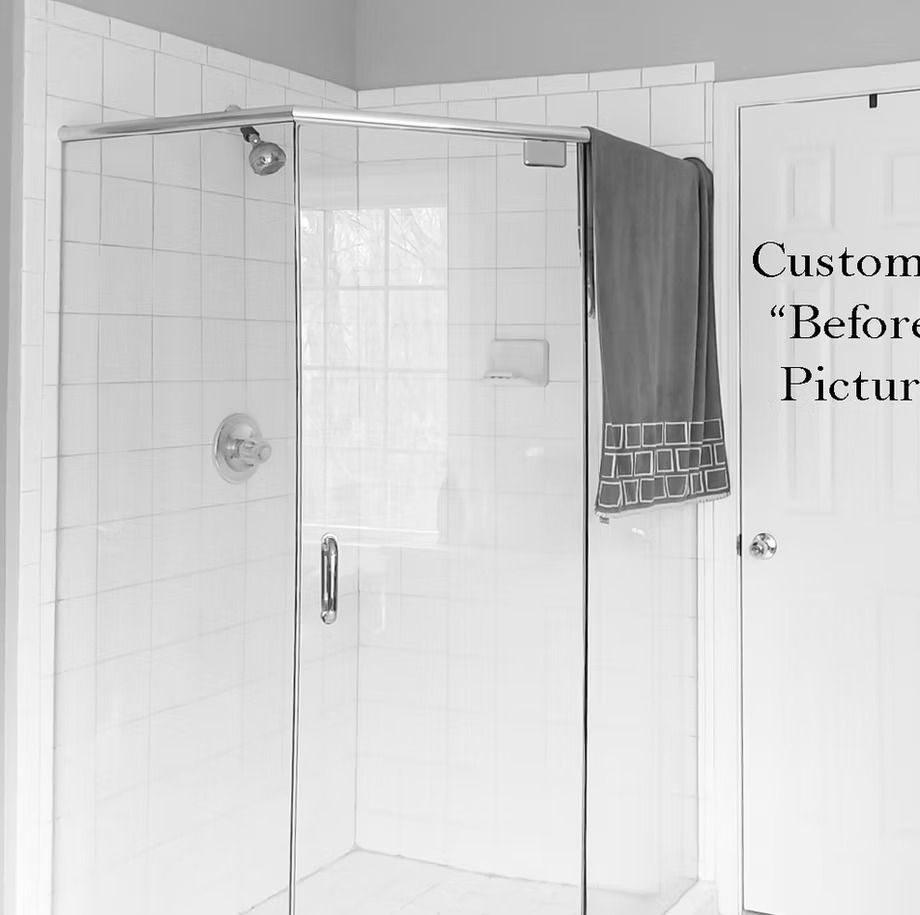
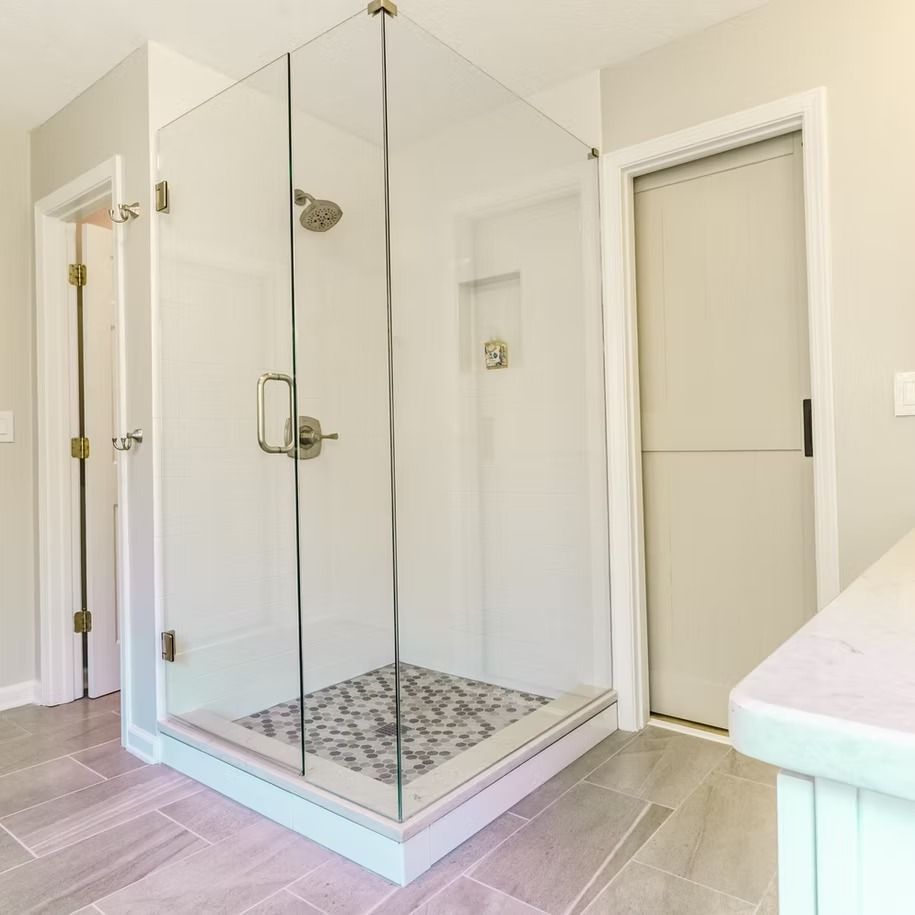
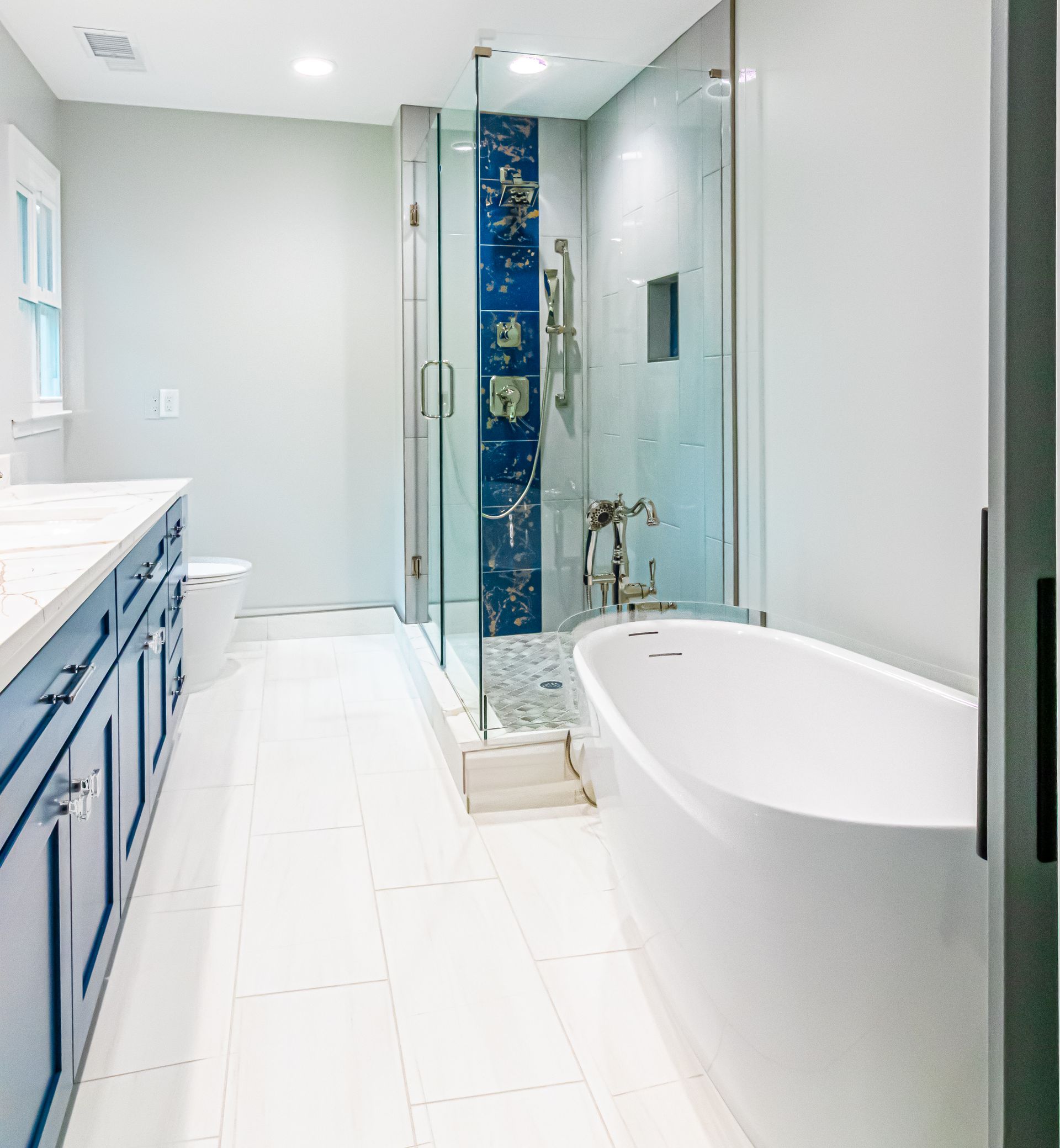
Once the work is complete, you'll notice that doors close properly, tile grout lines are level and consistent, fixtures are anchored securely without flexing, and water drains without pooling. Professional Home Improvement Inc coordinates all the trades under one point of contact, so there's no gap between the plumber finishing rough-in and the tile installer showing up three weeks later. The shower enclosure fits the actual dimensions of your framed opening, not a generic size that leaves gaps or requires filler strips.
Accessibility upgrades are included in the same scope as aesthetic renovations, which means grab bars, curbless entries, and wider doorways are designed to look like intentional finishes rather than aftermarket add-ons. The team is small and family-owned, which means Dennis is involved in each project from estimate through final walkthrough—you're not handed off to a subcontractor crew halfway through the job.
Questions Before Starting Your Project
Homeowners in the northern Atlanta suburbs typically ask the same questions before committing to a full bath renovation, especially when the project involves structural changes or hidden conditions that won't be visible until demolition begins.
What happens if you find hidden damage during demolition?
The contractor assesses the damage, explains what needs to be addressed to meet code and prevent future failure, and provides a written change order before proceeding with the additional work.
How does Georgia's humidity affect tile and shower installation?
Summer moisture levels require extended curing time for mortar and grout, and waterproofing membranes must be applied in multiple layers to prevent moisture from migrating through the substrate and causing tile to lift or crack within a few years.
When do you need a permit for bathroom remodeling in Lawrenceville?
Permits are required when you move walls, change the bathroom footprint, add or remove a bathroom, or alter plumbing and electrical rough-in—cosmetic updates like replacing fixtures and tile typically do not require permits.
What's included in a bathroom gut-and-rebuild?
The scope includes demolition of all fixtures and cabinetry, often down to the studs, and subfloor replacement. Then installation of new tile, fixtures, cabinetry, lighting, and ventilation, plus final paint and trim work.
How is this different from hiring a handyman for bathroom work?
A handyman typically handles surface-level cosmetic updates but does not pull permits, manage moisture barriers for tile installation, or coordinate multiple trades on a single timeline—full renovations require a licensed contractor who can handle structural changes and code compliance.
Professional Home Improvement Inc has built a reputation on over 100 five-star reviews and a long-standing presence in Gwinnett County and northern Atlanta suburbs, serving as a trusted alternative to franchise remodelers. Arrange an on-site consultation to review your current bath layout and discuss the full scope of work required for your project.