
Waterproofing Behind Every Tile Surface
Custom Tile Installation in Lawrenceville and across Gwinnett County for bathroom showers and wet areas where Georgia's humidity demands proper moisture barriers
Improper waterproofing behind shower tile fails quickly in high-humidity climates like Gwinnett County, where moisture vapor moves through walls and grout lines year-round. You'll see the signs—grout discoloration, loose tiles, and eventually structural damage to framing and subfloor—when moisture barrier work is skipped or done incorrectly. Professional Home Improvement Inc handles tile installation and waterproofing for residential bathroom showers, floors, and wet areas in Lawrenceville and the northern Atlanta suburbs, where humidity makes this work as much about moisture management as aesthetics.
The installation begins with moisture barrier application across shower walls and wet area floors before any tile is set. This step prevents water from migrating through substrate and damaging the structure behind the tile. Tile sizing decisions are guided by the contractor, who explains how different tile dimensions affect labor, grout line spacing, and overall cost so you can choose the option that fits your budget and design preferences.
Schedule a property evaluation to review your bathroom's current moisture conditions and discuss tile options for your remodel.
Our Services
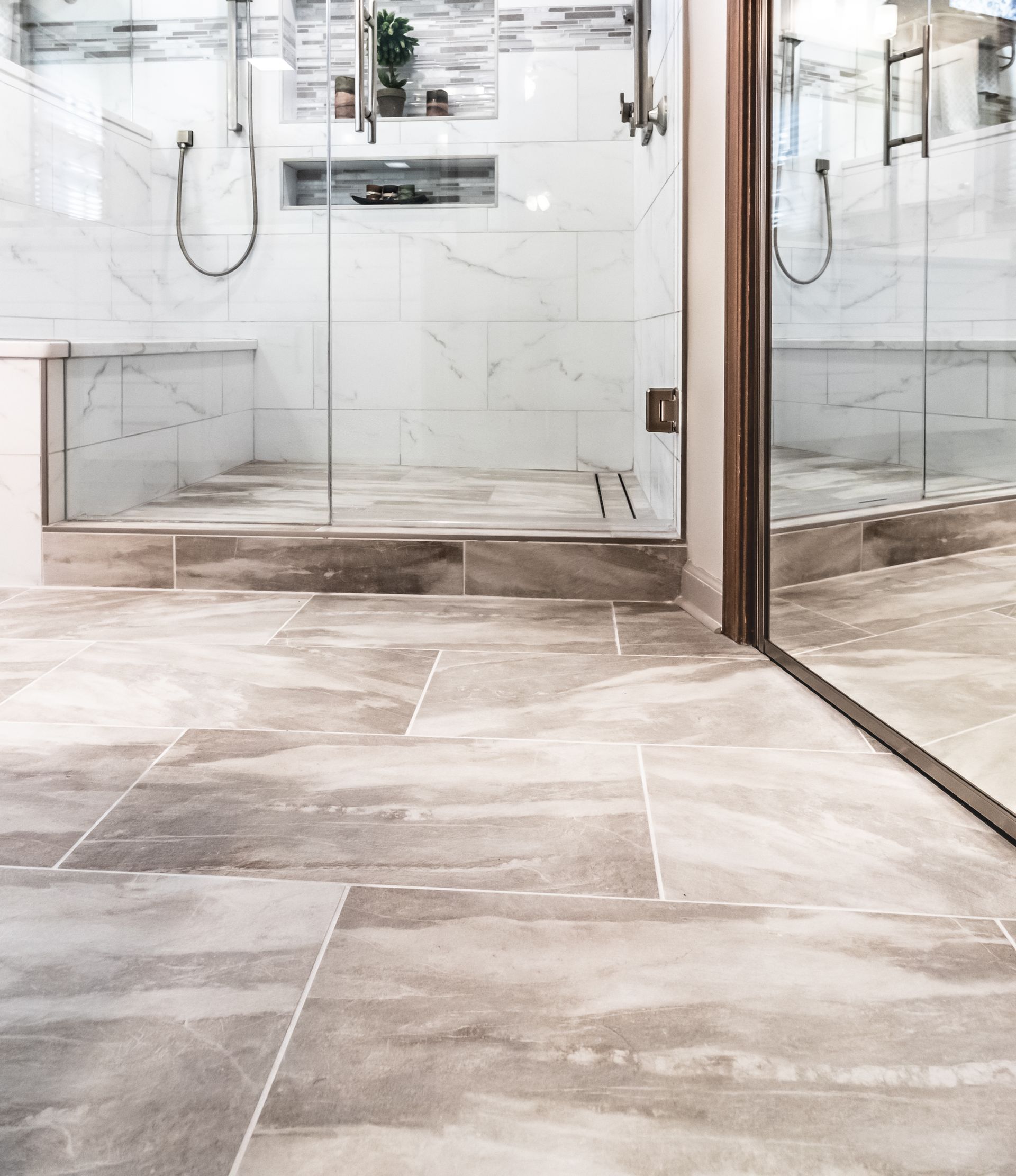
How Proper Tile Installation Prevents Moisture Damage
Tile work in wet areas requires understanding where water travels and how to stop it before it reaches vulnerable materials. Waterproofing membranes are applied to cement board or suitable substrate, with special attention to corners, seams, and penetrations where leaks typically start. Natural stone and porcelain tile are the primary materials used, selected for their durability and moisture resistance in bathroom environments. Heated floor systems can be installed beneath tile, with the waterproofing layer protecting both the heating elements and the subfloor below.
Once installation is complete, you'll notice grout lines that stay clean longer and tile that remains firmly bonded to the substrate without hollow sounds or movement underfoot. The shower enclosure performs as intended—water drains properly, surfaces dry between uses, and no moisture stains appear on ceilings or walls adjacent to the bathroom. Professional Home Improvement Inc integrates tile work with full bathroom remodeling scope, so the same team handles demolition, waterproofing, tile installation, and finish work without handing off tasks to separate contractors.
This is precision bathroom craftsmanship focused on shower and wet area tile—not general waterproofing contracting for basements or exterior drainage. The scope stays within what the team does best, which keeps quality consistent and ensures every installation meets the moisture management standards required in northern Atlanta's climate.
Answers to Frequent Tile Installation Questions
Understanding what's involved in tile and waterproofing work helps homeowners make informed decisions during the bathroom remodeling process.
What makes waterproofing critical for bathroom tile in Lawrenceville?
Georgia's high humidity keeps moisture levels elevated year-round, which accelerates waterproofing failure if membranes aren't properly applied—moisture barriers prevent water from penetrating substrate and causing hidden damage behind finished tile surfaces.
How does tile size affect installation cost and appearance?
Larger tiles cover more area with fewer grout lines, but they require flatter substrates and more precise layout work—smaller tiles are more forgiving on uneven surfaces but increase labor time and grout maintenance, so the choice depends on substrate condition and maintenance preferences.
When should heated floors be added beneath bathroom tile?
Heated floor systems are installed during the waterproofing and substrate prep phase, before tile goes down—they're most practical in full bathroom remodels where the scope already includes removing existing flooring and installing new substrate.
What's included in tile installation as part of a bathroom remodel?
The same team that completes demolition and framing also applies moisture barriers, sets tile, and finishes grout work—this integration ensures transitions between tile and other finishes like cabinetry or trim are planned from the start rather than adjusted afterward.
How long does custom tile work take during a bathroom renovation?
Timing depends on the size of the shower enclosure and floor area, but tile installation typically happens after plumbing rough-in and before final fixtures are set—expect waterproofing, tile setting, and grouting to span several days once substrate prep is complete.
Professional Home Improvement Inc completes custom tile installation and waterproofing for residential bathroom remodels across Gwinnett County. Request a free consultation to walk through your bathroom and discuss tile options that fit your remodel scope.